
Najbolji članovi

Popularan sadržaj
Showing content with the highest reputation on 09/17/24 u svim oblastima
-
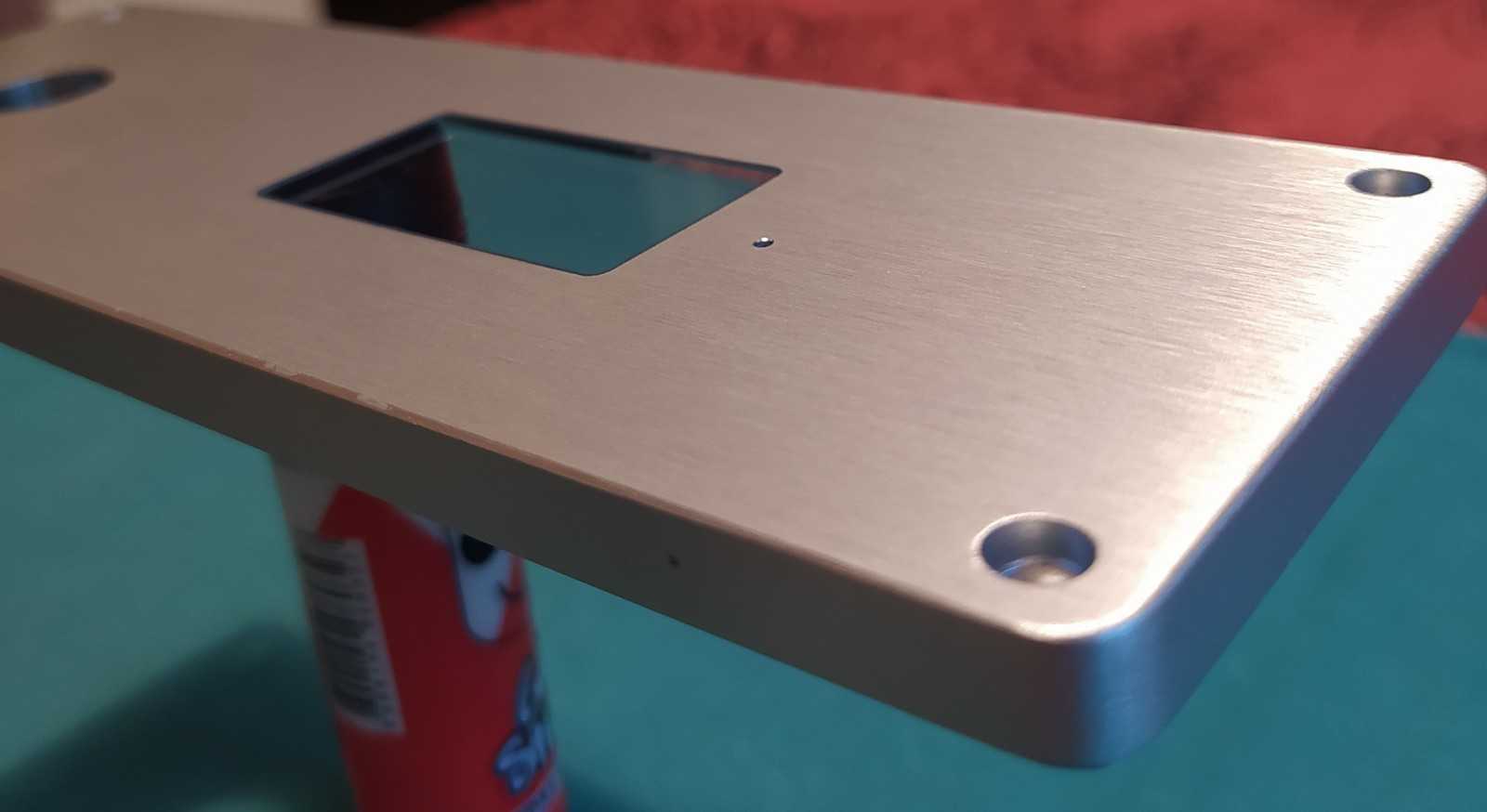
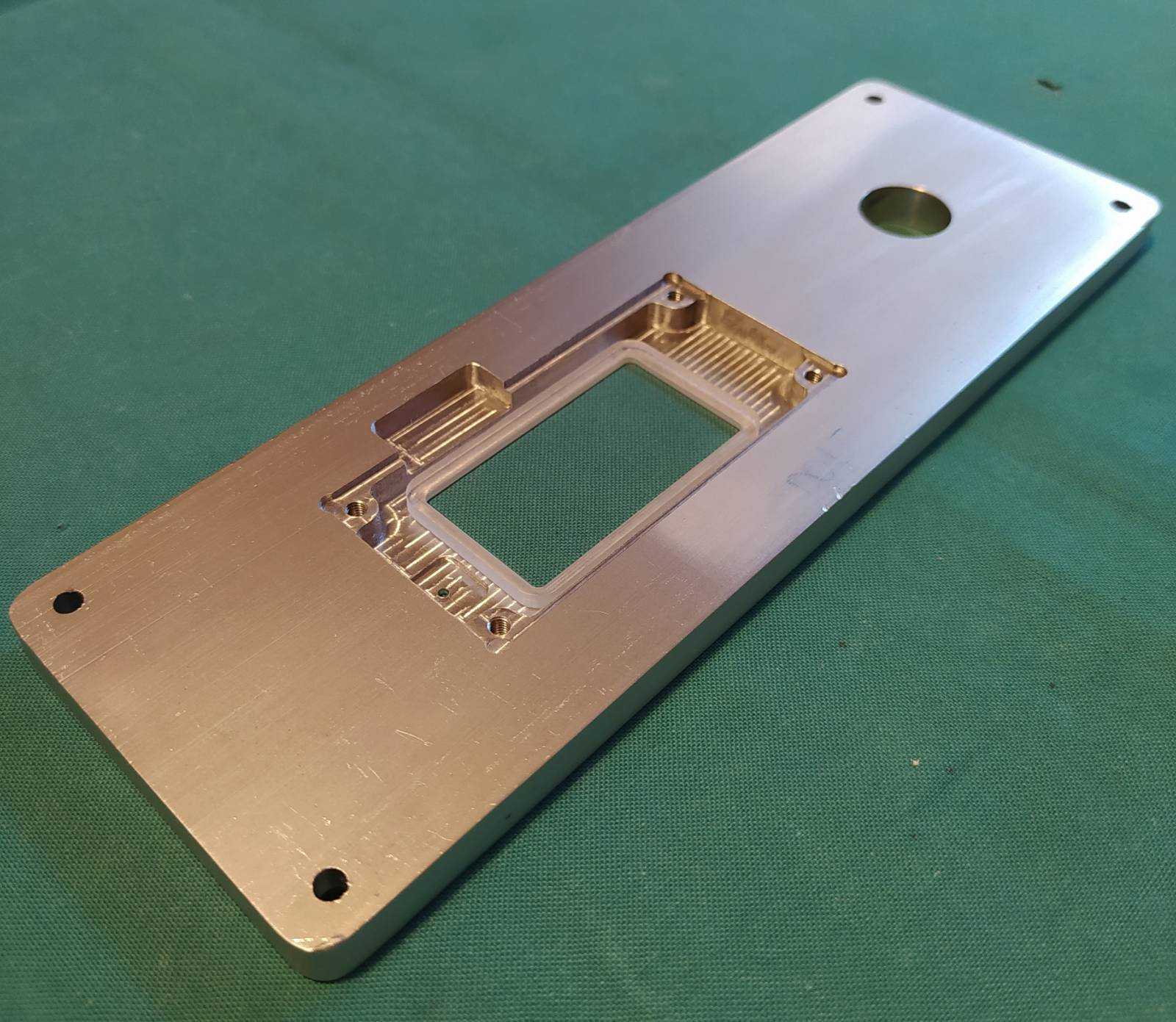
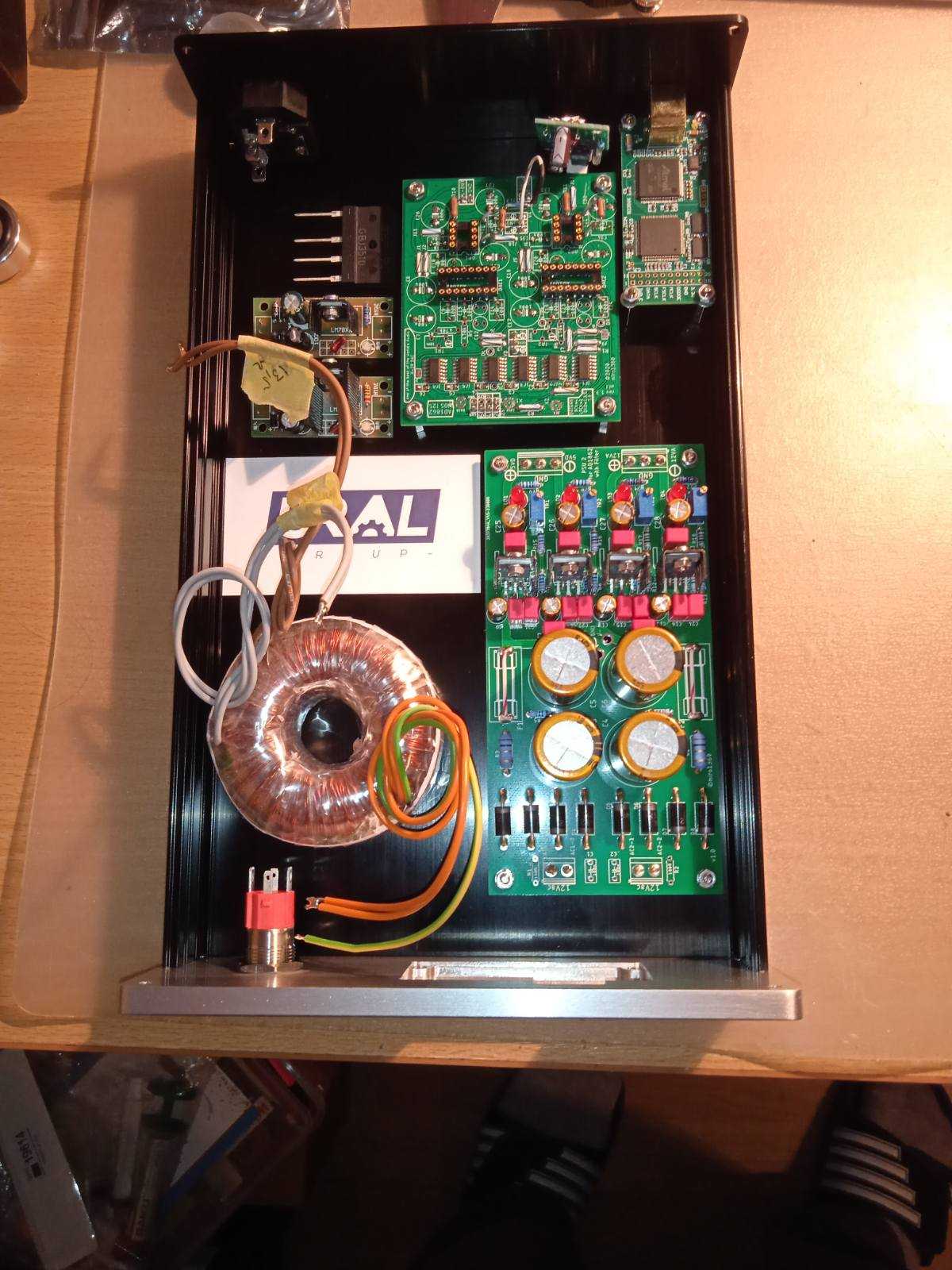
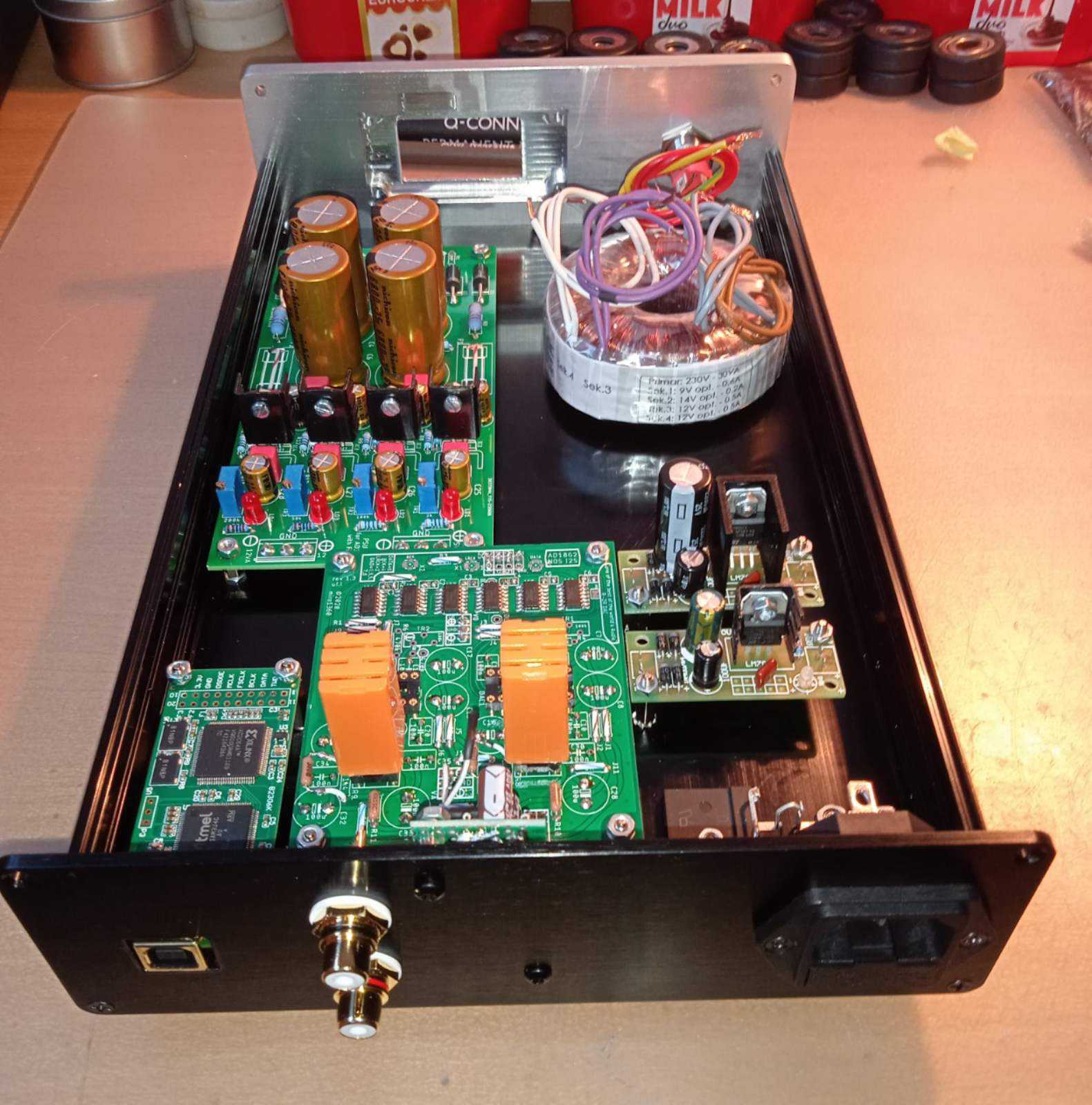
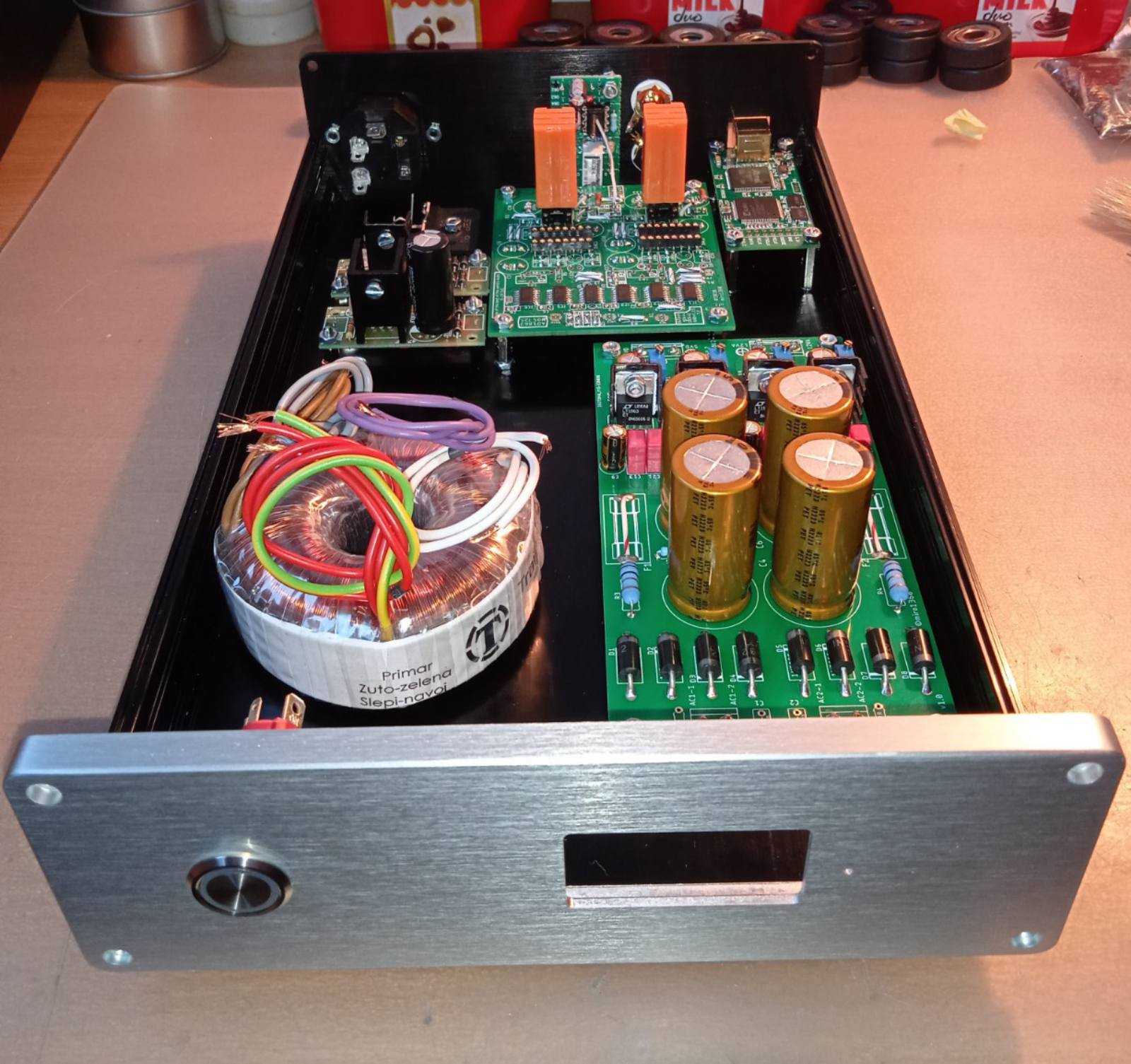
AD1862....radovi u toku.... @Leonardo @NIXIE
 7 poena
 -
^ Kako ko ? Pa brednomani. Ima ih gomile.5 poena
-
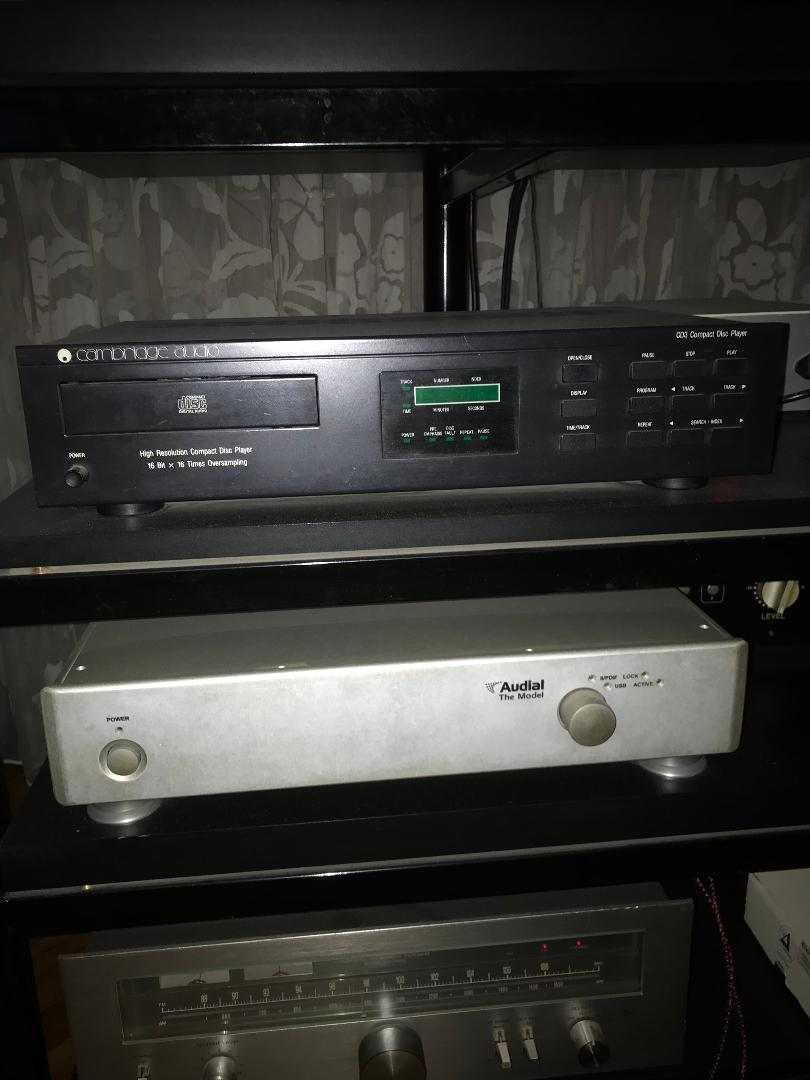
Gore - Cambridge Audio CD3 ( prakticno danas relikvija ) - 4 x TDA1541A. Dole - Audial The Model - 1 x TDA1541A ( Pedja Rogic ). Tadasnji ( 2009 god. ) njegov landmark model. Obe djunte se slusaju ( priznajem da poslednjih godinu dana opet vise slusam CD3 ).
3 poena
-
Ama i sa najeftinijim AD1865 ima da se naslušaš muzike. Pogotovo na ovaj način kako je odrađeno u temi.3 poena
-

AD1865 / AD1862 / PCM63P NOS USB DAC (blast from the past)
krca44 i jedan drugi je reagovao/la na Brijac za temu
Uskoro nesto jako lepo bazirano na TDA1541A Detaljno se istrazile iznutrice samog cipa, pa se i logika uzemljenja skroz menja. Dekapluje se na supply, ne na gnd. Nesto sto je i mvaudio probao, kod njega doduse na +5Vdc granu. Verujem da ce to biti kralj multibit dac-ova, al da ne trcim pred rudu.. Lepo pricah uzite cipceki od onog sa ebay, ali ima i dobrih vesti, krajem godine ce pustiti jos jednu seriju, medjutim sa malo uvecanom cenom jer to je to, nemaaa viseeee. AKM DS cipovi imaju mnogo bolje uradjen filter na samom cipu nego sabre. Jeftini DS dacovi koriste fabricke filtere, zato i zvuce isto.2 poena -

AD1865 / AD1862 / PCM63P NOS USB DAC (blast from the past)
LightMatic i jedan drugi je reagovao/la na Kuja za temu
Nažalost kao što rekoh nisam nikada čuo neki Chord DAC a voleo bih. ESS Sabre DAC-ovi su mi uglavnom zvučali naporno i veštački, dok mi AKM sviraju znatno bolje. Recimo, veoma prijatno me je u ulozi DAC-a iznenadila matora Hercules DJ RMX konzola mog sina, koja koristi AKM DAC čipove i koja svira odlično: Da ne znam za bolje, mislim da bih 'ladno mogao da je koristim kao DAC.2 poena -
AD1865 / AD1862 / PCM63P NOS USB DAC (blast from the past)
Vix i jedan drugi je reagovao/la na Kuja za temu
Siguran sam! Ja sam odavno odustao od igranja sa uređajima i samo slušam muziku. Mislim da jedno deset godina ništa nisam menjao, samo sam se malo igrao sa kompjuterima kada je trebalo prilagoditi se novom dobu i strimingu. Sada sam i tu našao mir, evo mesecima me mrzi da probam kako svira M1 Macbook, što bi pre koju godinu bilo nezamislivo!2 poena -
AD1865 / AD1862 / PCM63P NOS USB DAC (blast from the past)
LightMatic i jedan drugi je reagovao/la na Doktor za temu
TDA1541A - nema dalje.2 poena -
AD1865 / AD1862 / PCM63P NOS USB DAC (blast from the past)
Brijac i jedan drugi je reagovao/la na Kuja za temu
...Čisto da ne budem pogrešno shvaćen, ja lično preferiram zvuk mog DAC-a koji ima PCM 1704K čipove i potpuno diskretni izlazni deo bez OP ampova. Svira mi (za moj ukus!) mnogo bolje od svih Sigma-Delta DAC-ova koje sam imao prilike da čujem. Nažalost nisam do danas uspeo da čujem ni jedan Chord DAC, a mnogi koji jesu kažu da sviraju odlično. Kapiram da zvuk dosta zavisi i od znanja i umešnosti programera koji programira taj FPGA čip.2 poena -
AD1865 / AD1862 / PCM63P NOS USB DAC (blast from the past)
Vix i jedan drugi je reagovao/la na Brijac za temu
Stara nokia je i dalje bolja za obavljanje osnovnih funkcionalnosti, poziv poruka, a mozee i da ucmekas coeka ako te iznervira, iiiii nece se unisti u procesu 😁 E pa vis, tako je i ovde. Ako ne platis sumanuto velike kolicine novca, neces dobiti bolje dakce od krstenog multibit daca Izgubis sve drangulije, i "svetla velegrada", ali dobijas dobru osnovnu funkcionalnost.2 poena -
AD1865 / AD1862 / PCM63P NOS USB DAC (blast from the past)
LightMatic i jedan drugi je reagovao/la na Kuja za temu
Nije sve u veličini i količini gvožđa i delova! Vaš iPhone je 5.000 puta brži od Cray 2 super kompjutera iz 1985-e. Chord u svojim DAC-ovima koristi FPGA čipove koji su isprogramirani da vrše funkciju DA konverzije i ne zahtevaju isto okruženje kao klasični "off the shelf" čipovi tipa Burr Brown, ESS Sabre, AKM, itd. Pretpostavljam da je to i razlog za manjak delova na PCB-u! 1. What is an FPGA-based DAC? An FPGA-based DAC is a digital-to-analog converter that uses a Field-Programmable Gate Array (FPGA) as its core component. An FPGA is a type of programmable logic chip that can be reprogrammed to perform specific functions. In an FPGA-based DAC, the FPGA is programmed to perform the digital-to-analog conversion process. This allows for more flexibility and customization in the conversion process, resulting in higher quality audio output. 2. Advantages of FPGA-based DACs One of the main advantages of FPGA-based DACs is their flexibility. Since the FPGA can be reprogrammed, it allows for more customization in the conversion process. This means that the audio output can be tailored to the specific needs of the user or application. Additionally, FPGA-based DACs can be updated with new firmware, allowing for improvements in performance and functionality. Another advantage of FPGA-based DACs is their high precision. The FPGA can perform the digital-to-analog conversion process with a high degree of accuracy, resulting in a more accurate audio output. Additionally, FPGA-based DACs can support a wide range of audio formats and sample rates, making them versatile enough to be used in a variety of applications. 3. Comparison with other DAC options There are several other options for DACs, including traditional DACs and Sigma-Delta DACs. Traditional DACs use a resistor ladder network to perform the digital-to-analog conversion process, while Sigma-Delta DACs use oversampling and noise-shaping techniques to improve the audio quality. However, FPGA-based DACs offer several advantages over these options. Compared to traditional DACs, FPGA-based DACs offer more flexibility and precision. The FPGA can be reprogrammed to perform the conversion process in a way that is tailored to the specific needs of the user or application. Additionally, FPGA-based DACs can support a wider range of audio formats and sample rates. Compared to Sigma-Delta DACs, FPGA-based DACs offer more customization options. While Sigma-Delta DACs use oversampling and noise-shaping techniques to improve the audio quality, they are limited in their flexibility. FPGA-based DACs, on the other hand, can be reprogrammed to perform the conversion process in a way that is tailored to the specific needs of the user or application.2 poena -

AD1865 / AD1862 / PCM63P NOS USB DAC (blast from the past)
NIXIE i jedan drugi je reagovao/la na Srecko za temu
Voleo bi da mi neko objasni, kad vidi ove slike, koliko treba neko da bude lud da da npr. za “Chord Mojo” 500 i više GBP. Bravo Miko, NIXIE i Leo!2 poena -
Slažem se, odličan je! Imao sam davno TDA1541A NOS DAC Peđe Rogića sa kojim sam se sit naslušao muzike, ali su nove tehnologije i formati zahtevali da se krene dalje. Sadašnji PCM1704K DAC mi je dao ono što mi se sviđalo kod TDA1541A, pa je sve to još unapredio.1 poen
-
AD1865 / AD1862 / PCM63P NOS USB DAC (blast from the past)
LightMatic je reagovao/la na Brijac za temu
Delta Sigma isto. Ima tih modernih dacovi koji sviraju brukica, bolje nego ove stari porsei, ali kostaju, bas Tu ljudi koji su vrsni programeri i matematicari rade pos'a.1 poen -
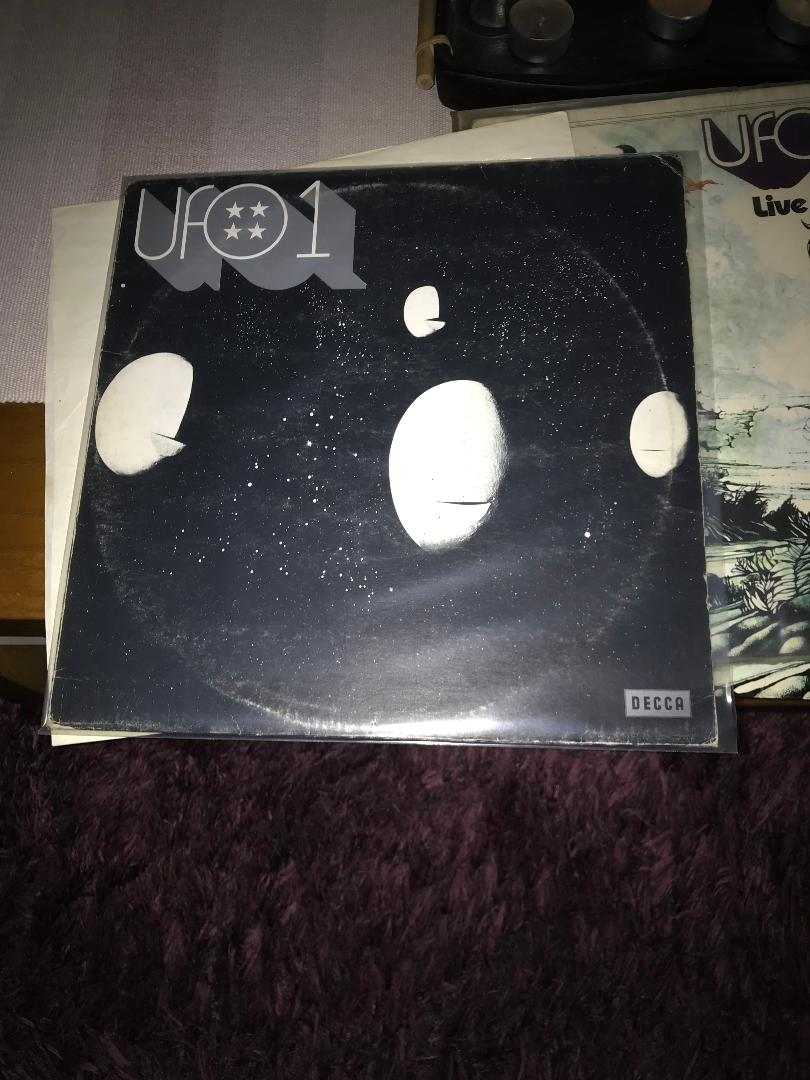
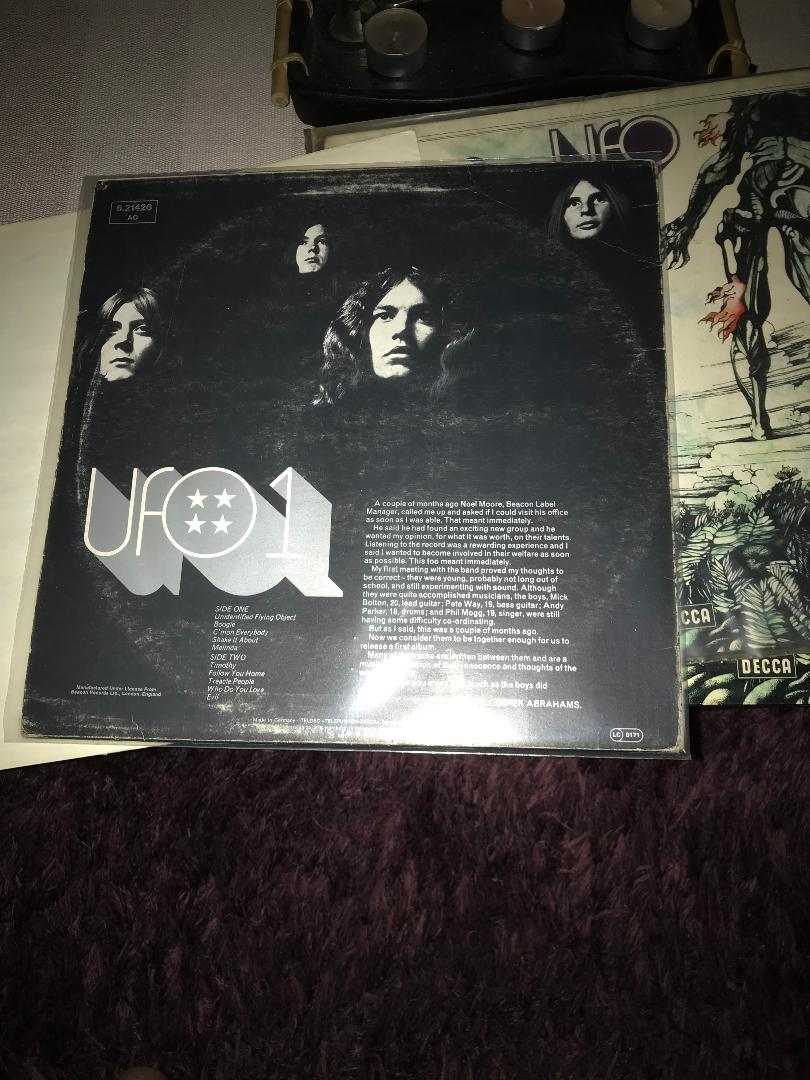
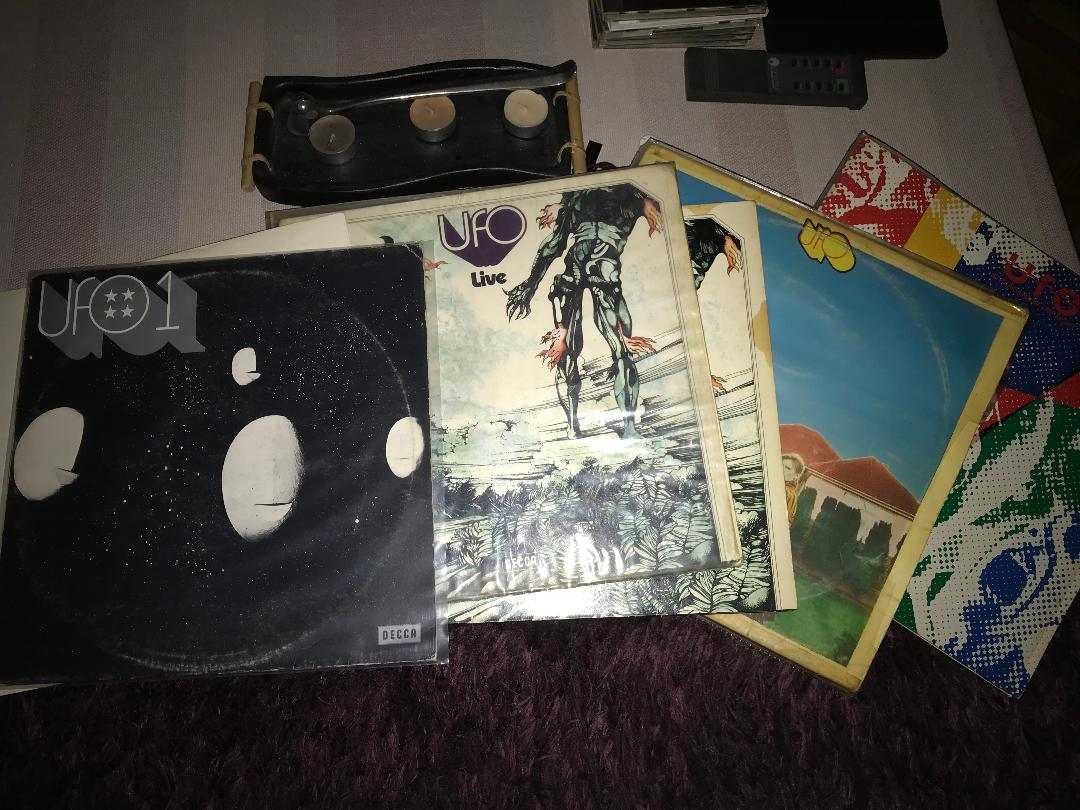
Atm krenuo UFO Kec. O ovom bendu znamo ( skoro ) sve.
1 poen
-
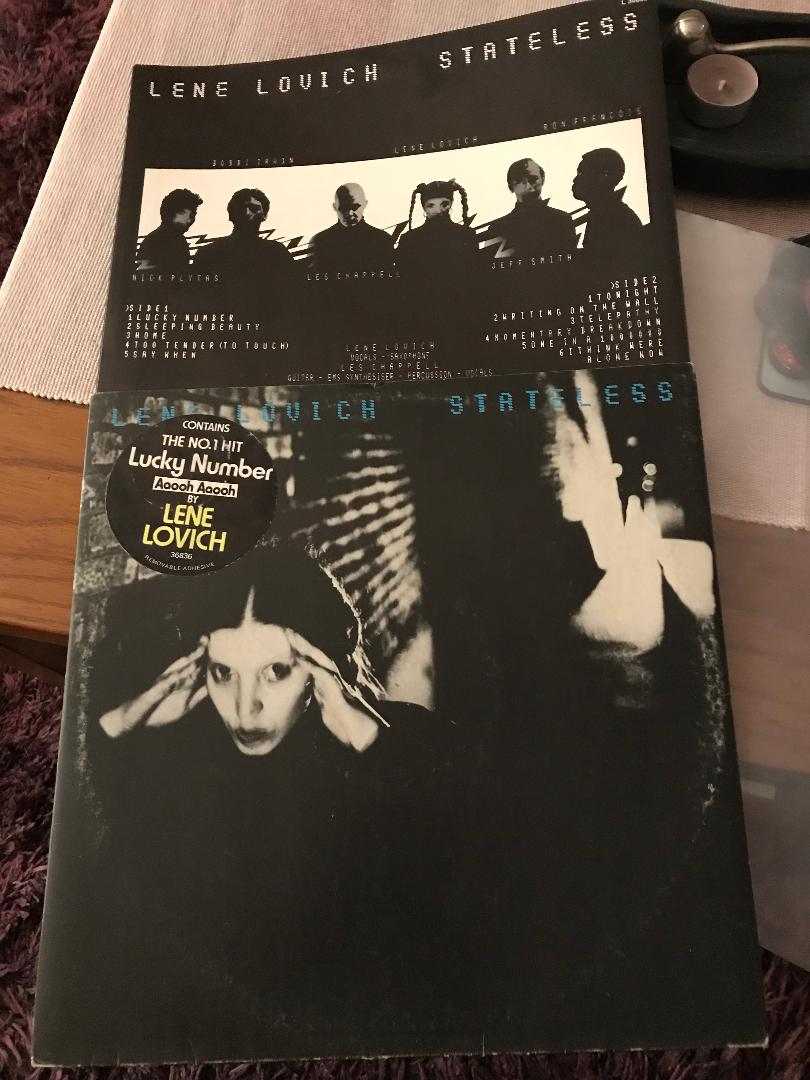
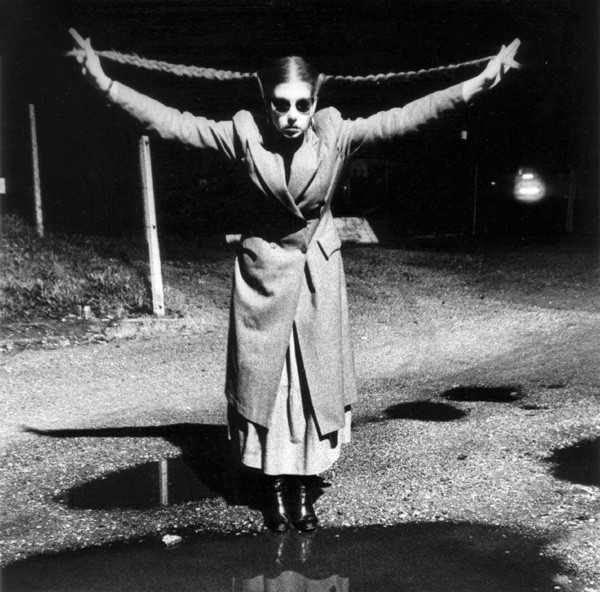
Posle tropskih temperatura gledah sa cime da se "otvorim" danas u audio seansi . . . Lene Lovich - Stateless debitni album sa Lucky Number. New Wave album koji je i danas "svez".
1 poen
-
' jutro. Bas Jakooooooo ! ! !1 poen
-
C19 dani ...1 poen
-

Šta trenutno slušam . . .
gluv_i_udaren je reagovao/la na Woland za temu
1 poen -
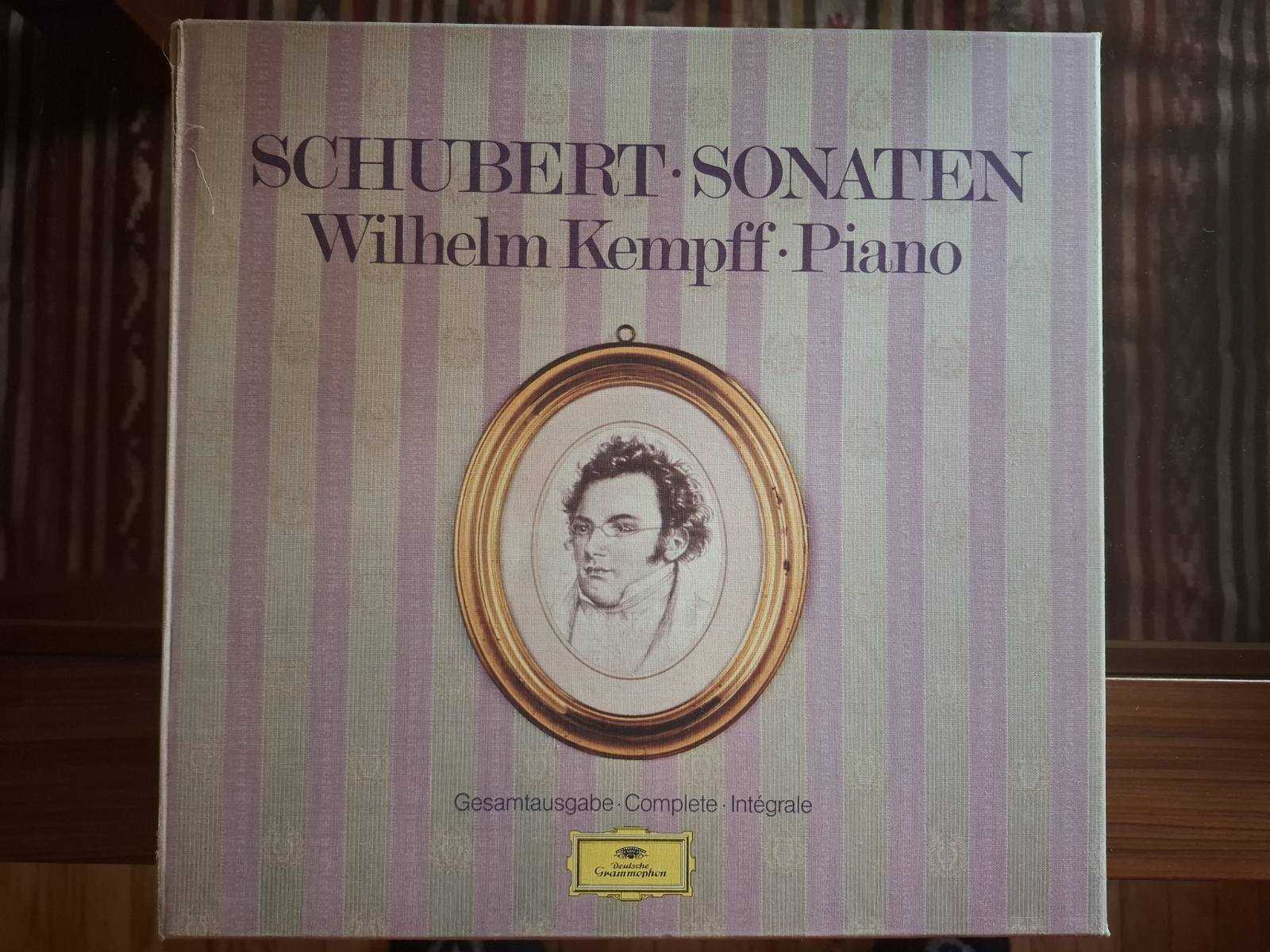
^ još dva izvođenja Šubertove sonate za klavir br. 21 D. 960 - Alfred Brendel i Wilhelm Kempf Brendelovo lirsko i Kempovo akademsko; Rihterovo mi se najviše sviđa, naročito ovo gore iz '57; Glen Guld je negde (zaturih link) izjavio da "nema strpljenja" za Šuberta i pohvalno govorio o Rihterovom, nešto sporijem izvođenju sonate br. 21, odatle je krenulo ovo jutrošnje istraživanje
0 poena


-
Trenutno na sajtu 8 članova, 1 Skrivenih, 128 Gosta (Pogledaj celu listu)
-
Forumska statistika
9.2k
Ukupan broj tema452.8k
Ukupan broj objava -
Statistika članovȃ
3026
Svi članovi5071
Najviše na sajtu