


Zen Mod
-
Broj sadržaja
40962 -
Na DiyAudio.rs od
-
Broj dana (pobeda)
627
Content Type
Profiles
Forum
Blog
Kalendar
Sve objavljeno od Zen Mod
-
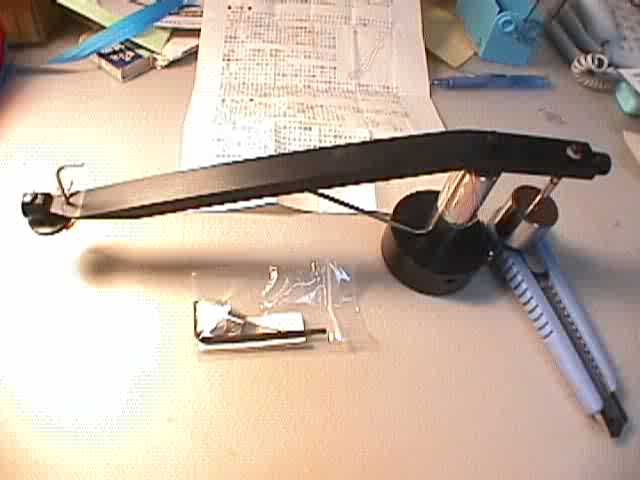
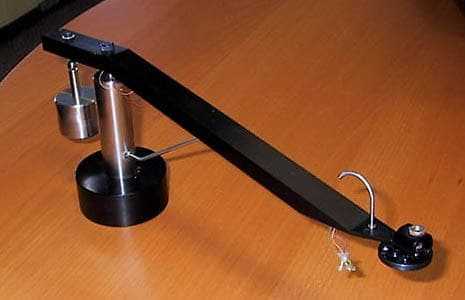
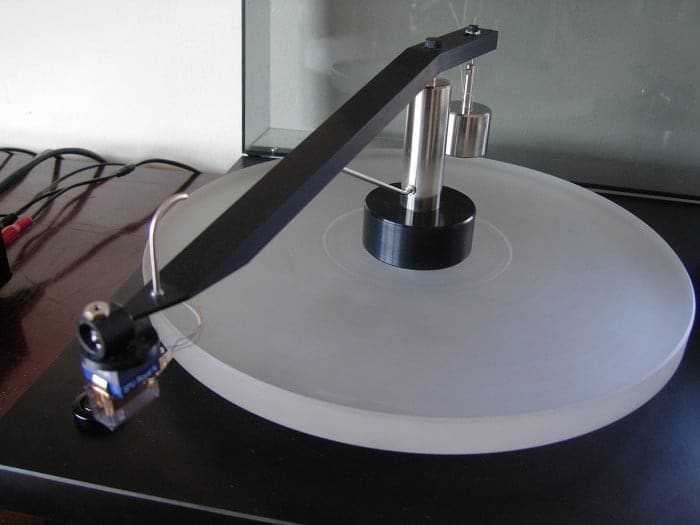
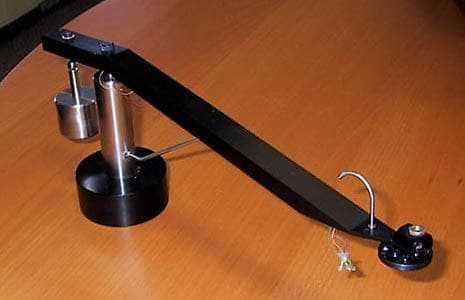
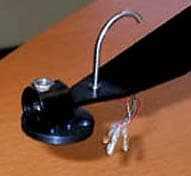
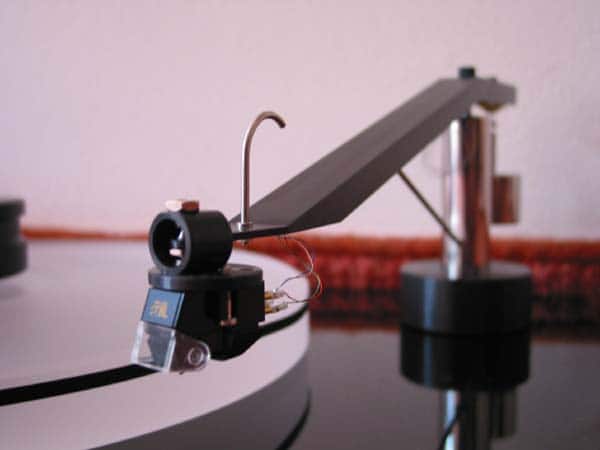
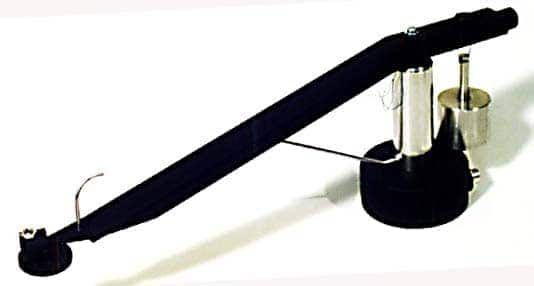
.....In regard to the problem of adjusting the azimuth at the headshell, which Art felt was a shortcoming of the RS-A1 as he was unable to properly adjust the headshell so that it was level, I think I have a solution that is rather simple. One thing that I noticed while reading Art's otherwise excellent review was that the cueing hook on his sample was turned to the right from its original position. After going through the provided instructions, I was unable to locate any information that suggested that the cueing hook should be turned to the right. In fact, during the set-up process, I noticed that levelling the headshell was impossible if the cueing hook was turned from its original position. The added weight on the right side causes the headshell to tilt ever so slightly.That being corrected, I came to the realization that the headshell still wasn't perfectly level. In order to get the headshell to balance properly, users should take a pair of needle-nose pliers and carefully pull the tonearm wires at the bottom of the base until the added tension causes the arm to sit perfectly level. It took a few tries, but I did manage to get the headshell almost perfectly level. It's a pain, but not a problem that can't be corrected.
-
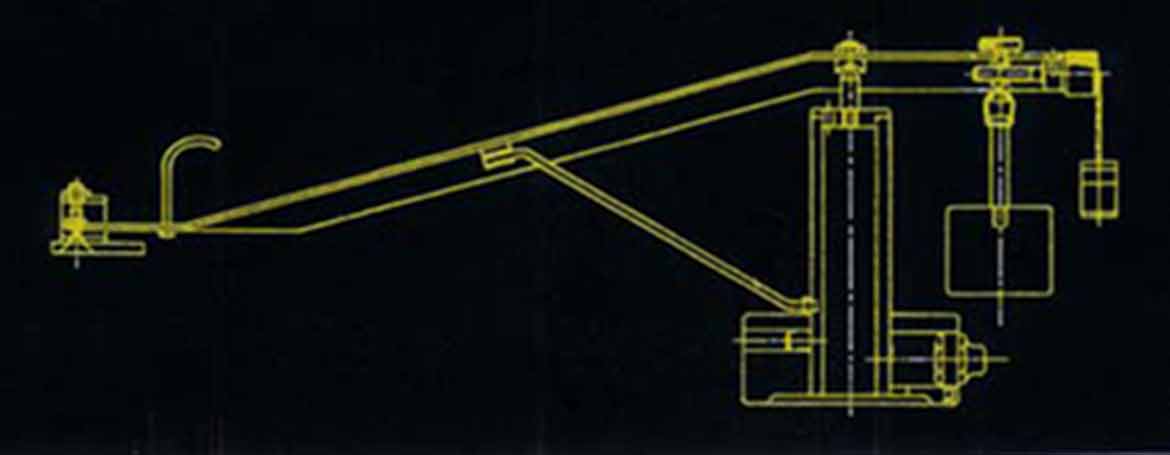
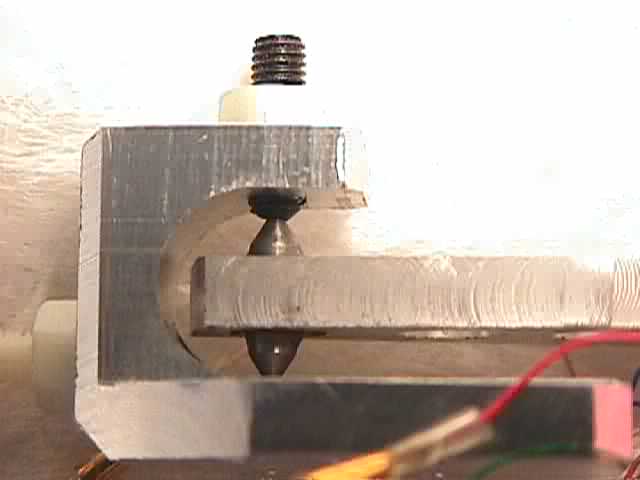
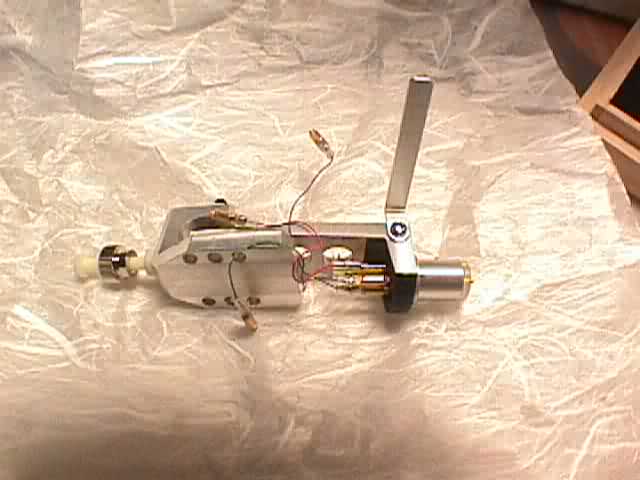
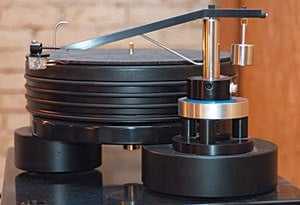
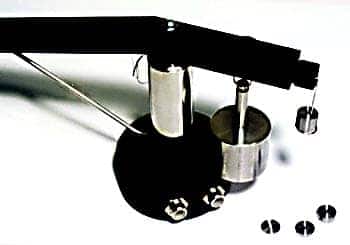
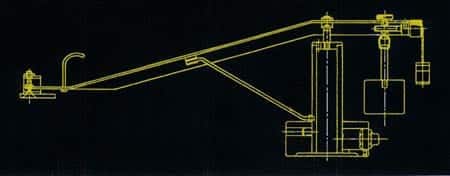
Being a uni-pivot, the RS-A1 uses a reverse missionary bearing: The upward-pointing spike is machined from tool steel and grounded to a point. The supplied counterweight hangs from a threaded brass fitting at the rear of the arm. By turning the thumbscrew, users can adjust the weight's position relative to the front of the arm, which is how you adjust the tracking force of the arm. Aha.On the base of the arm, you'll find a pair of RCA output jacks (there is no grounding post), a magnetic tonearm support, and that's about it. The base of the arm is fairly heavy, which proved to be a solid design choice, seeing as the arm can not be bolted to an armboard and just sits on the table's plinth.What makes the RS-A1 so unique and controversial is its use of a rotating headshell, whose range of movement is six degrees in either direction. The headshell is connected to the tonearm through the use of a needle bearing, and the rationale behind the design is that it provides a small amount of tracing error correction and that the "joint" offers relief from stresses imposed on the cantilever as it attempts to simultaneously trace two groove walls of varying thickness. The headshell, being somewhat independent of the rest of the arm, is also not affected by the mass of the arm. It all sounds rather complicated, but once you manage to set the arm up properly, it begins to make some sense.

-
sinko - ti si Genija :cheers:odo da vijam po sacuvanim stranicama podatke -duzine , debljine, uglovemada kontam i dalje - ono 20x20x2 da se uklapa .... al' kuj ga sisa - princip je bitan ......
-
dakle - ko od zainteresovanih ima antensko stablo napravljeno od neuobicajeno debljeg zida ?ili ideju gde traziti tankozidni Al profil - tacnije cev 20x20x1 ?ili 20x10x1 , jos bolje
-
niste jos ni rucicu napravili , a vi vec o liftu?
-
no cuttin' , please !Sloba is probably interested in CCS version , not Drek one .....
-
al' samo ako obecas da ces nakaciti sluske ditto na DL103 ......
-
malo uvecano
-
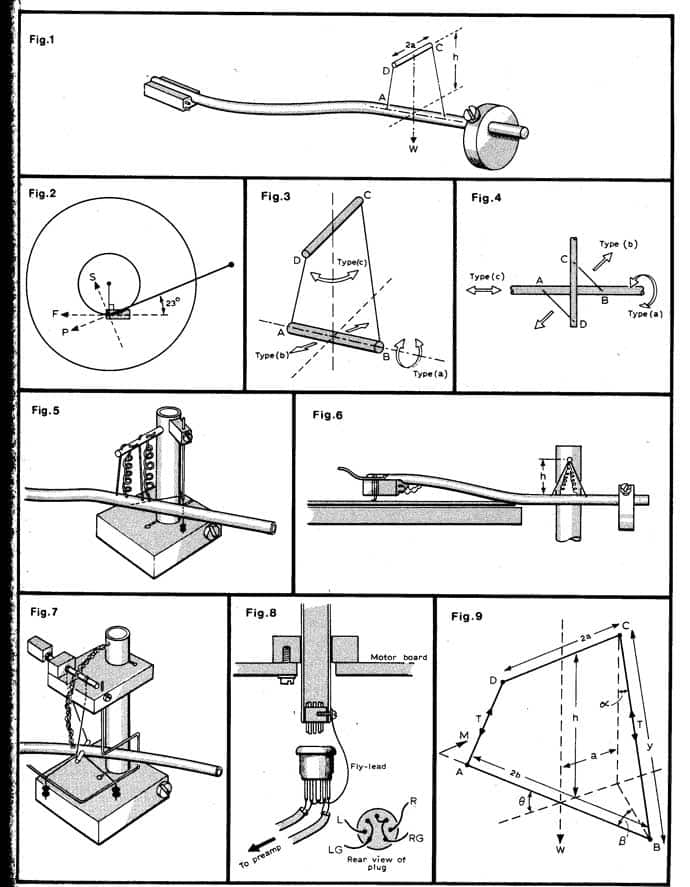
veceras cu da cupam jos - ne bi li skontali i okvirne dimenzije ... mada je u stvari samo ugao vazan - sve ostalo je idi mi dodji mi
-
.......
-
4/4
-
3/4
-
2/4
-
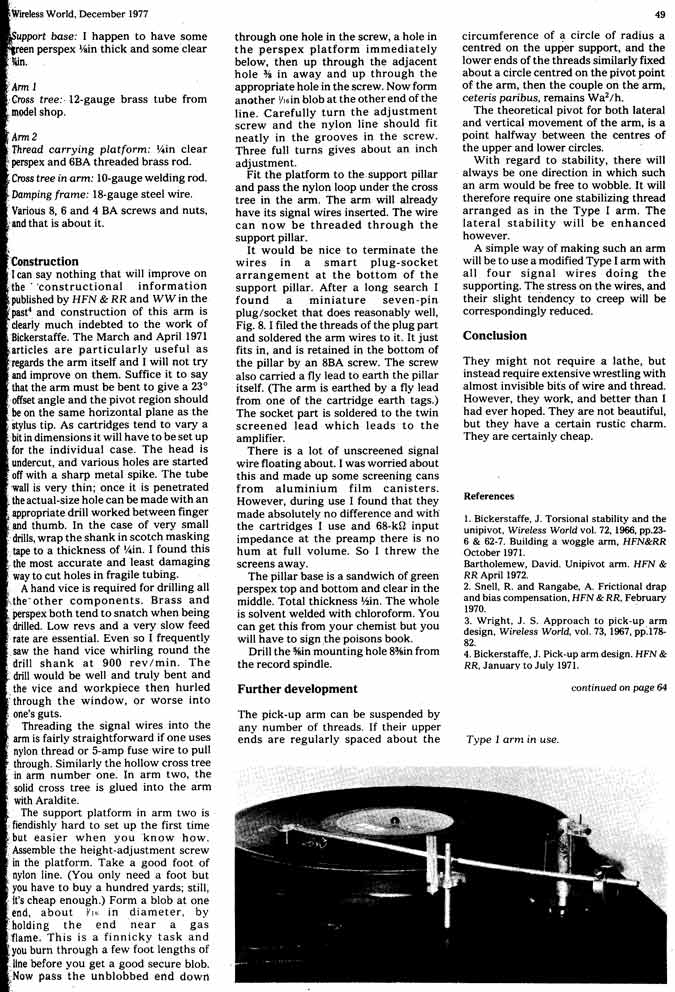
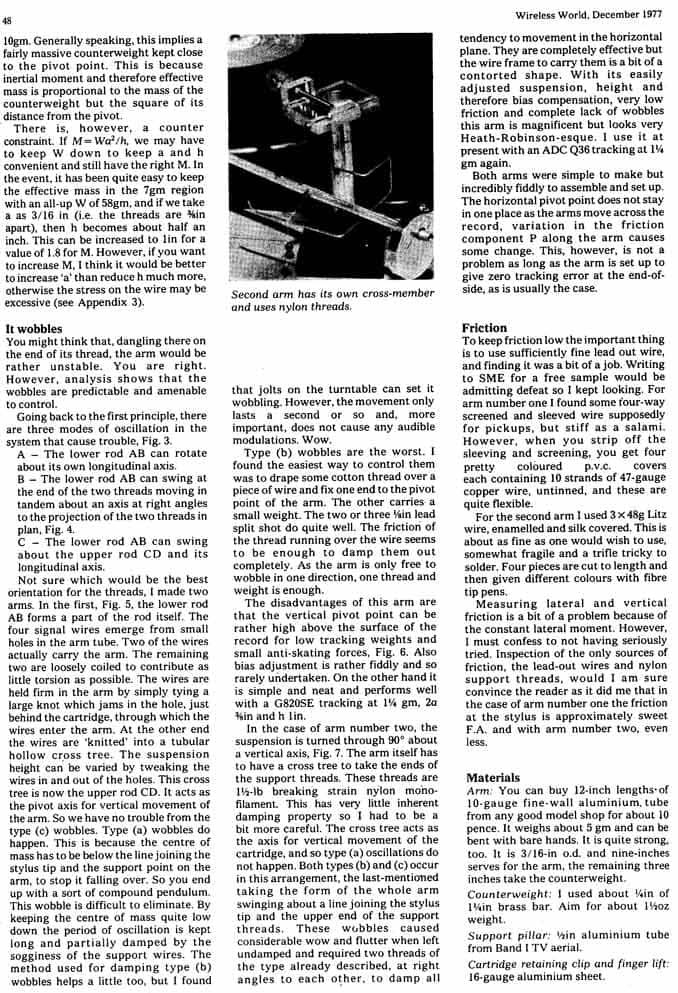
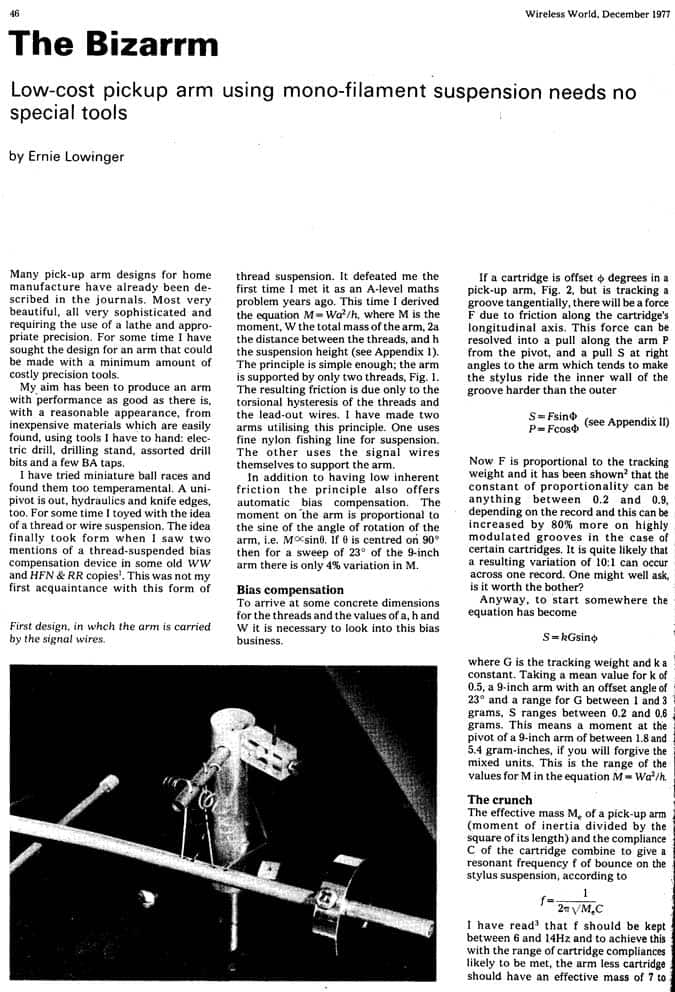
biz armnije bas WTA , ali mnogo slicno ;nesto teorije1/4
-
veceras cu procesljati slike i ostalo sto imam , te postovatikoristan link : http://www.pat2pdf.org/
-
veceras cu procesljati slike i ostalo sto imam , te postovatikoristan link : http://www.pat2pdf.org/
-
otvoren topic za Schroeder arm http://www.diyaudio.rs/topic/547-schroeder-arm/ ZM
-
par postova preseljeno i otvorena nova tema o Sakura Systems RS-A1 http://www.diyaudio.rs/topic/545-sakura-rs-a1/ ZM
-
http://www.sakurasystems.com/products/rsa-1.html
-
welcome back !
-
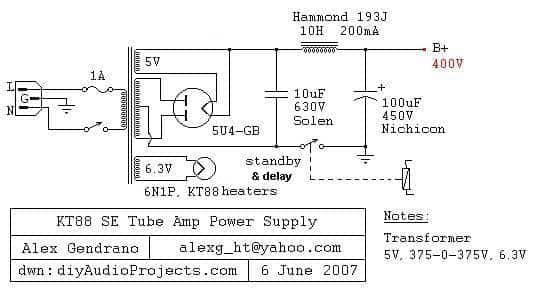
majstori moji - ovo je direktno grejana ispravljacica ;ona se ugreje u roku od 3-5 sec , dakle 3-5 puta brze od indirektno grejanih koje su u pitanju ....... nije da se ja nesto mnogo sekiram za upustanje anodnog napon a- al' kad covek hoce .....
-
.
-
radni kontakt - zavisi koji napon prekidas ?nisi samo time ogranicen , nego i max strujom koju vuce kalem relea , jer ne bi valjalo da 555 daje vise od - recimo - 100mA , bar sudeci po datasheetu .... takodje i napon napajanja ne bi trebao da predje 12V ..... dakle - svodi se da kalem relea moze biti do 12V/100mAprekidacki deo - pretpostavljam da je nesto do 400V .... ne bi bilo lose paralelno kontaktima staviti kond tipa 10n/400V , da smanji iskrenjedakle .... 12V/0,1A - trazi rele za koji je navedeno da ima otpor spulne od 120R navise ;pogledao sam kod Kelco , ali nisam uspeo brzopotezno da nadjem usput pitaj i za AC rating kontakata , mada po mom iskustvu za normalne anodne napone posao rade svi koji su deklarisani na 250Vacjos jedan trik koji pomalo pomaze - nemoj prekidati anodni napon - stavi prekidac u kolo mase
-
@ pigy - ako ti pada na pamet sklanjanje izlaznog konda pri moscenju ovog pojacivaca - jednostavno - previse temperaturnih varijabli u igri , i bez uvodjenja serva bi imao amp u klasi kineskog produznog kabla - pozar u kuci .....
-
e eb'ga - up'o si k'o pigy na forum , ne citajuci nista , savatavajuci samo oko onoga sto tebe interesuje ..... nisi skontao Batabanetov Sega amp , naravno ....da si imalo pratio neke teme , video bi da se ovde projekti ne dele na stare i nove , komplikovane i jednostavne ..... jednostavno - sto je tebi milo , a ti pravi ..... uvek se neko nadje da kaze neku pametnu , neko da offtopici , neko da prepravlja ..... ali tako stvari funkcionisu na forumimaelem - neces nikako sprziti zvucnike sa tim ampovima - dok god imas kond na izlazu elem2 - ne menjaj 3055 sa modernijim tranzistorima , ako ne znas sta radis ... jer ces napraviti oscilator a ne pojacalo .par i danas jako cenjenih i i dalje pravljenih pojacala su uradjeni sa 3055 i slicnim u izlazu .ajd ti uradi svoj domaci - napravi ti to stereo (ili ces quadro , sta god ) da radi ..... a onda ti mi pomognemo da bridzujes .

-
Trenutno na sajtu 1 član, 0 Skrivenih, 578 Gosta (Pogledaj celu listu)
-
Forumska statistika
9.2k
Ukupan broj tema454k
Ukupan broj objava -
Statistika članovȃ
3038
Svi članovi5071
Najviše na sajtu